



Soluciones de seguridad contra incendios para instalaciones industriales en países en desarrollo
Los incendios industriales en países en desarrollo tienen consecuencias que van más allá de los daños a la propiedad. Un estudio de seguridad en fábricas de 2023 encontró que las instalaciones de menos de 20.000 m² enfrentan un 20% más de riesgo de incendio, especialmente cuando la aplicación del código de construcción sigue siendo inconsistente. Cuando la infraestructura hídrica es limitada, el suministro eléctrico es poco fiable y el personal cualificado de mantenimiento escasea, los métodos convencionales de supresión de incendios desarrollados para los mercados occidentales suelen fallar en caso de emergencia.
Para los gestores de instalaciones en África y el sudeste asiático, la protección contra incendios significa sistemas de ingeniería que funcionen de forma fiable dentro de las limitaciones locales y cumplan con los requisitos de seguro.
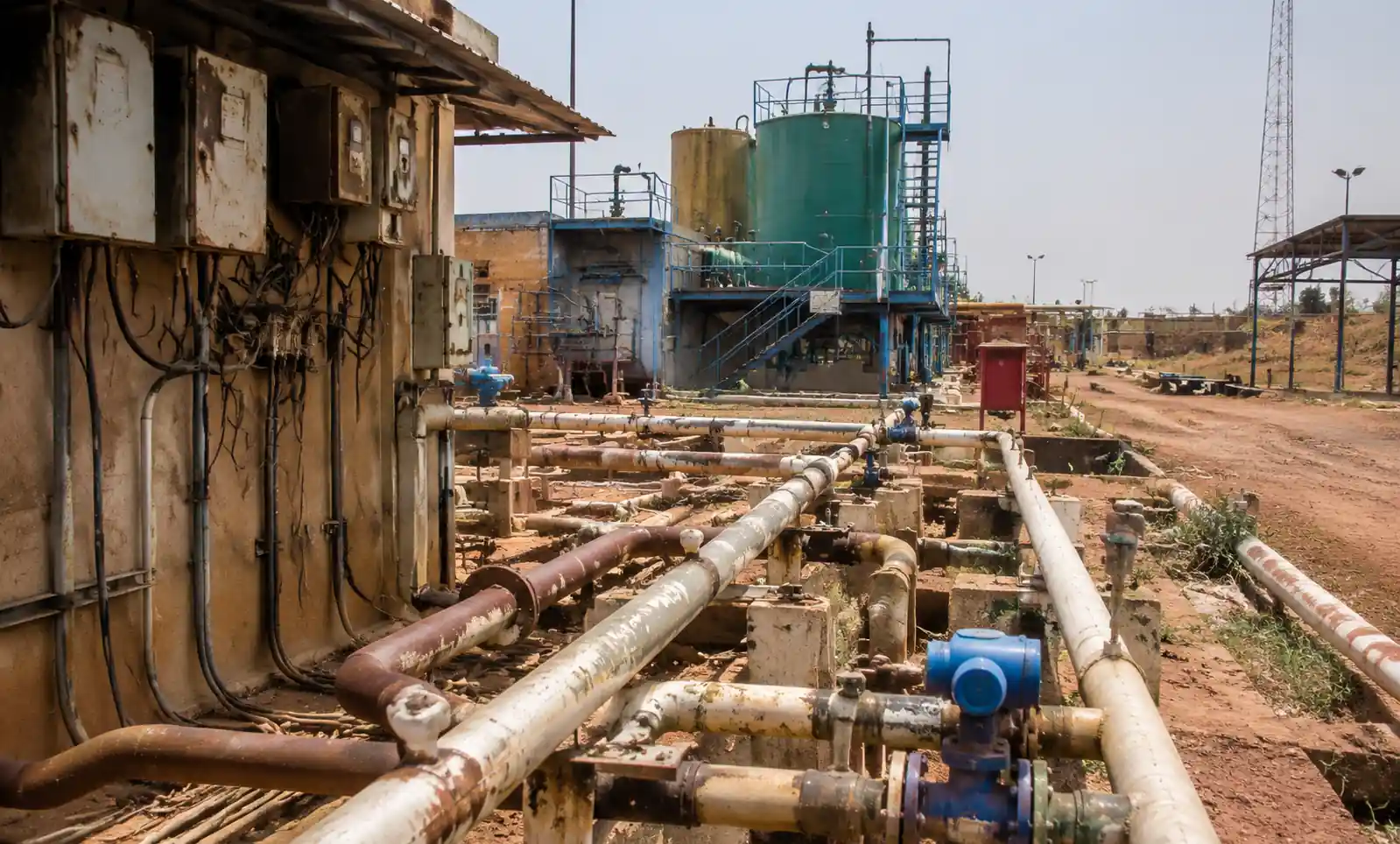
! 1-instalación-industrial-desarrollando-país-desafíos-incendios Instalación industrial de fabricación en una región en desarrollo que muestra desafíos de infraestructura para la seguridad contra incendios
- 1. Limitaciones que los sistemas industriales de incendios deben superar
- 2. Tecnología de niebla de agua: la alternativa eficiente en recursos
- 3. Requisitos de clasificación de presión e infraestructura
- 4. Diseño del Sistema para el Suministro Intermitente de Agua
- 5. Seguridad contra incendios por sector industrial
- 6. Análisis de Costes: Capital vs. Gastos operativos
- 7. Preguntas frecuentes
- 7.1. ¿Cómo funciona la niebla de agua al aire libre o en zonas semicerradas?
- 7.2. ¿Puede la niebla de agua proteger contra incendios eléctricos?
- 7.3. ¿Qué mantenimiento requieren los sistemas de niebla de agua?
- 7.4. ¿Cómo gestionan los sistemas la mala calidad del agua?
- 7.5. ¿Qué certificaciones deberían verificar las instalaciones?
- 7.6. ¿Puede la niebla de agua adaptar edificios existentes?
- 8. Conclusión
Limitaciones que los sistemas industriales de incendios deben superar
La protección contra incendios en economías en desarrollo se enfrenta a realidades infraestructurales que rara vez se ven en mercados maduros. Investigación sobre zonas industriales del sur de Asia identifica tres limitaciones críticas.
Escasez de agua y suministro municipal poco fiable: Los parques industriales en África subsahariana y el sudeste asiático experimentan presión del agua por debajo de 2 bar durante el pico de demanda. Los sistemas convencionales de rociadores requieren un mínimo de 3-5 bares, estándares que la infraestructura municipal no puede cumplir. Los tanques de almacenamiento se vuelven esenciales, pero tanques de 200-500 m³ para aspersores tradicionales consumen presupuestos de capital y espacio en la planta de producción.
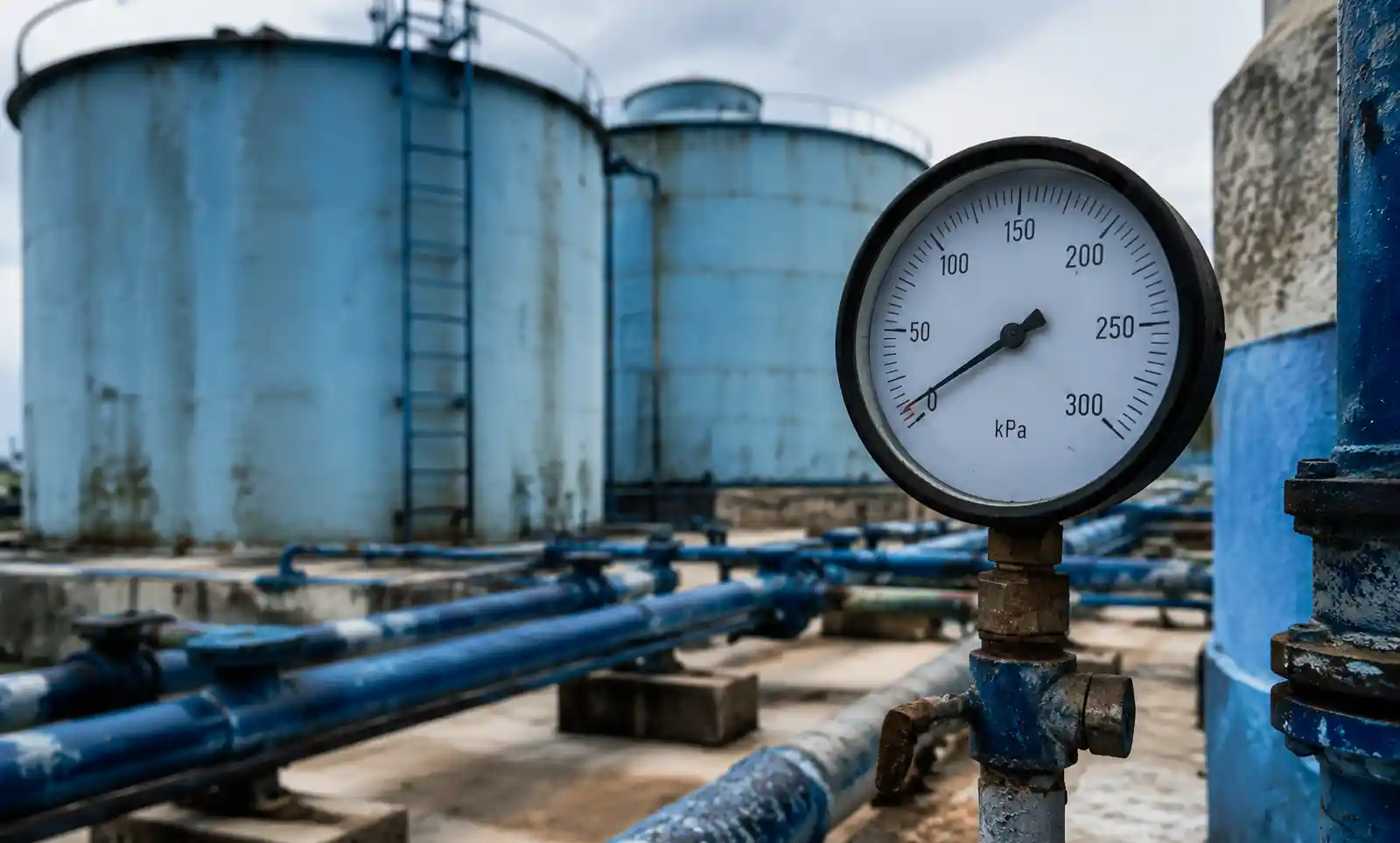
! 2-limitación de infraestructura-presión-agua Infraestructura y sistema de suministro de presión de agua limitados en zonas industriales
Fiabilidad de la energía: Las interrupciones eléctricas duran de media entre 8 y 12 horas al mes. Las bombas contra incendios que no pueden reiniciarse tras el ciclo introducen modos de fallo ausentes en los sistemas diseñados para redes estables.
Mantenimiento cualificado: Las auditorías de fabricación de Bangladesh encontraron que el 68% de los sistemas instalados no eran funcionales durante la inspección, no por fallos de equipo, sino por falta de protocolos de mantenimiento adecuados.
Una protección eficaz contra incendios debe reducir el consumo de agua, tolerar las fluctuaciones de energía y requerir un mantenimiento especializado mínimo.
Tecnología de niebla de agua: la alternativa eficiente en recursos
Los sistemas de niebla de agua atomizan el agua en gotas por debajo de 1.000 μm de diámetro, una décima parte del tamaño de las gotas de aspersión convencionales. Esto ofrece tres ventajas críticas para instalaciones con recursos limitados.
Reducción del 90% de agua: La niebla de agua a alta presión funciona a 50-100 bar y descarga entre 0,8 y 3 litros por minuto por tobera, frente a 80-150 LPM para los aspersores. Para la protección de un almacén de 500 m², la niebla de agua requiere una capacidad de depósito de 15-30 m³ frente a 200+ m³ para los aspersores, ahorros de capital e inmuebles que hacen viable económicamente el cumplimiento.
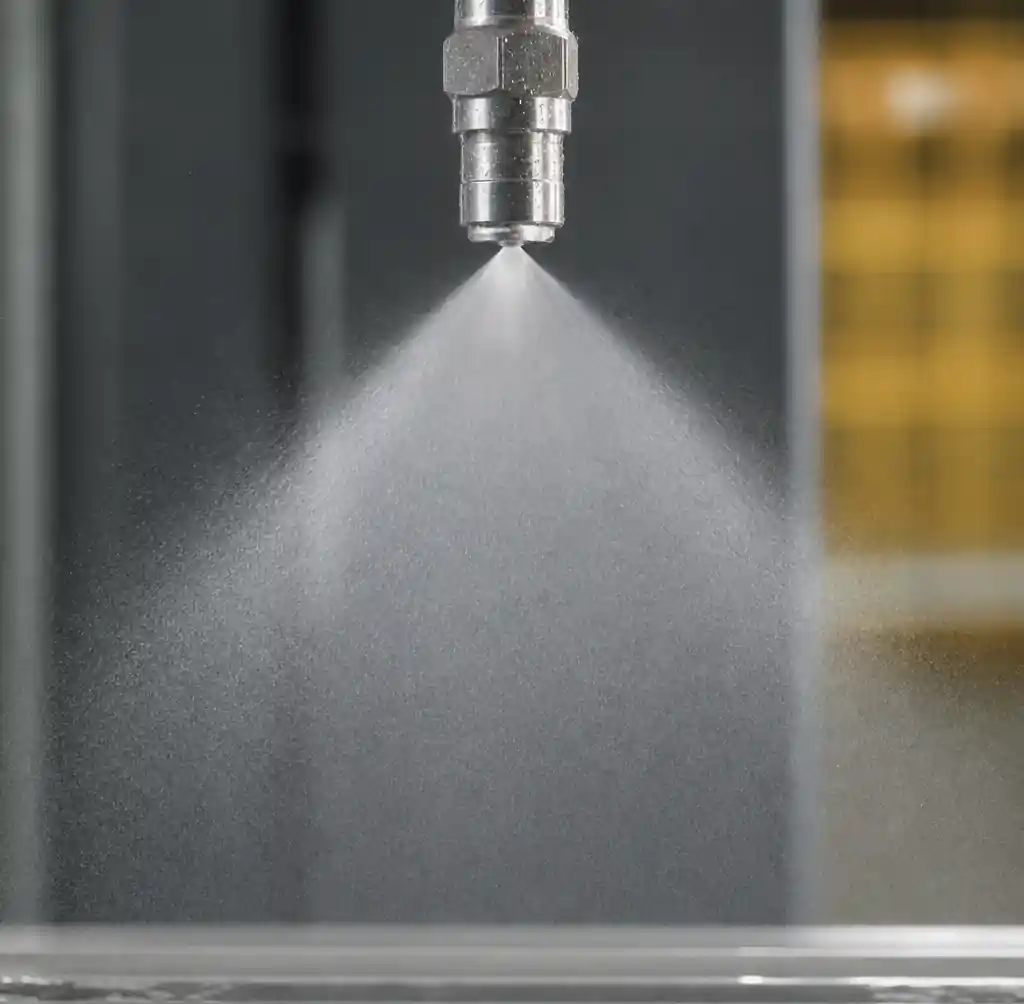
! 3-niebla de agua-boquilla-gota-fina-rocia Boquilla de supresión de incendios con niebla de agua que produce gotas ultrafinas para la lucha industrial contra incendios
Mejora del enfriamiento y desplazamiento de oxígeno: Las gotas finas se vaporizan rápidamente en columnas de fuego. Cada kilogramo absorbe 2.260 kJ de energía mediante el cambio de fase. Investigación en Fuego la niebla de agua confirmada reduce las temperaturas de zonas protegidas entre 20 y 45°C de forma más eficaz que la pulverización convencional mientras desplaza el osígeno cerca de las superficies de combustión.
Reducción de daños colaterales: La electrónica, el inventario y la maquinaria sufren muchos menos daños por agua por niebla frente a la descarga de aspersores. Para instalaciones con equipos sensibles, esta distinción es importante entre supresión controlada y pérdida total.
Las Boquillas de Niebla de Agua para Extinción de Incendios de YuechenPrecision Technology cuentan con una construcción de acero inoxidable SS316 resistente a ambientes corrosivos en instalaciones químicas y de procesamiento de alimentos en climas tropicales.
Requisitos de clasificación de presión e infraestructura
La NFPA 750 define tres clases de presión, cada una con una complejidad de infraestructura distinta.
| Clase de presión | Presión de funcionamiento | Tamaño de la gota (Dv50) | Mejor aplicación |
|---|---|---|---|
| Baja Presión | ≤ 12,1 bar (175 psi) | 400-700 μm | Aplicación residencial y local |
| Intermedio | 12,1-34,5 bar (175-500 psi) | 150-350 μm | Almacenes, manufactura |
| Alta Presión | > 34,5 bar (> 500 psi) | 30-150 μm | Espacios de maquinaria de alto riesgo |
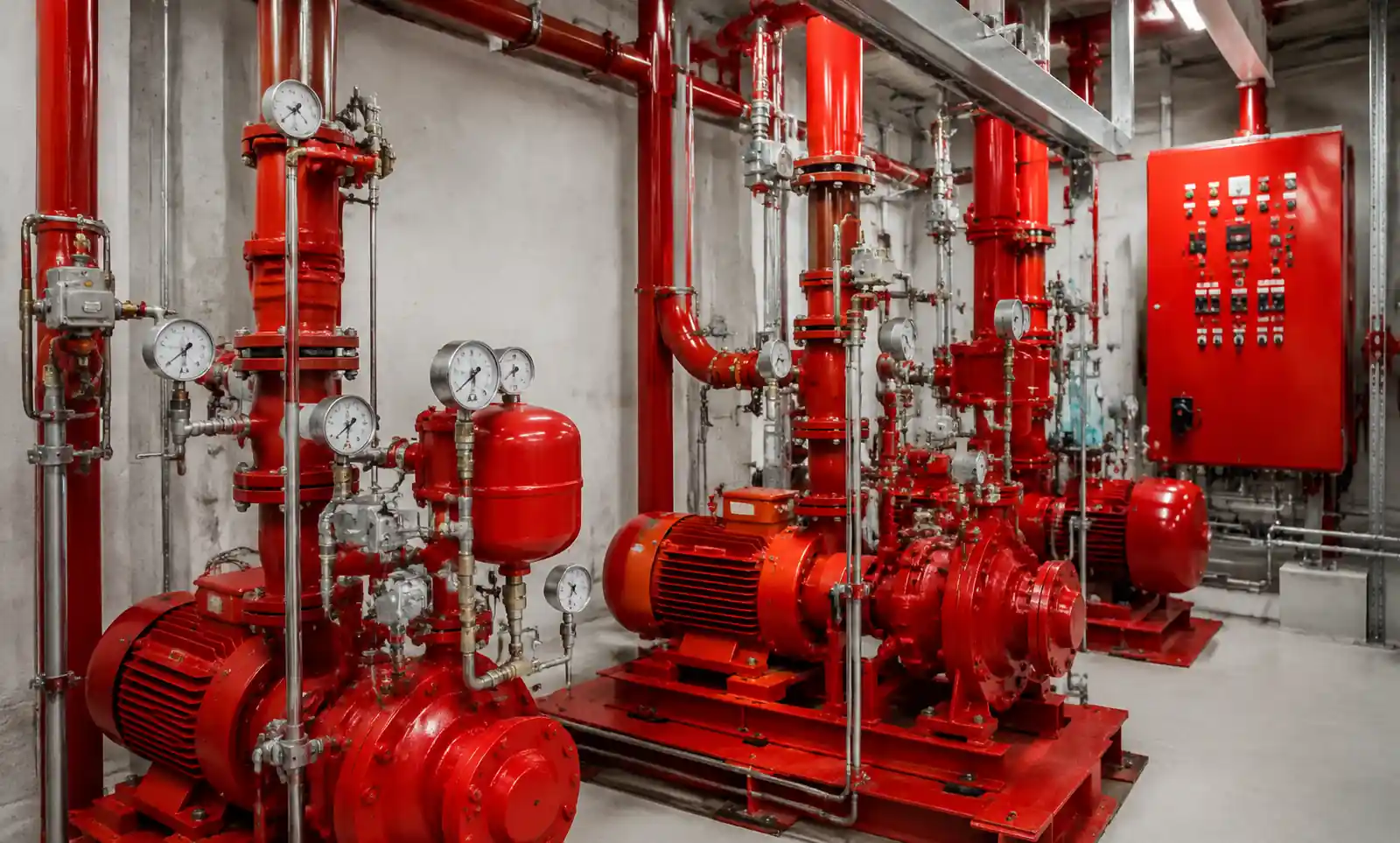
! 4-instalación de equipos de presión de bomba de incendios Bomba de incendios y equipos de control de alta presión para sistemas de supresión de niebla de agua
Los sistemas de presión intermedia ofrecen un equilibrio óptimo para la mayoría de las instalaciones industriales. Ofrecen un rendimiento de supresión que se acerca a instalaciones de alta presión, pero utilizan tecnología de bombas compatible con la infraestructura local. Una bomba de 37 kW da servicio a 300-800 m² según la clasificación de peligro.
Los sistemas de alta presión (80-140 bar) producen una atomización superior pero requieren acumuladores cargados de nitrógeno y técnicos formados en hidráulica de alta presión, recursos que a menudo no están disponibles fuera de los grandes centros industriales. Los sistemas de baja presión ahorran capital pero necesitan entre 3 y 5× boquillas más, compensando el ahorro con mano de obra de instalación.
Para refrigeración industrial o supresión de polvo, YuechenPrecision Technology ofrece soluciones de pulverización adaptables para la protección contra incendios donde existe infraestructura de presión intermedia.
Diseño del Sistema para el Suministro Intermitente de Agua
Las instalaciones en regiones con servicios municipales poco fiables deben diseñar en torno a la capacidad de almacenamiento y respaldo, no en supuestos de suministro continuo.
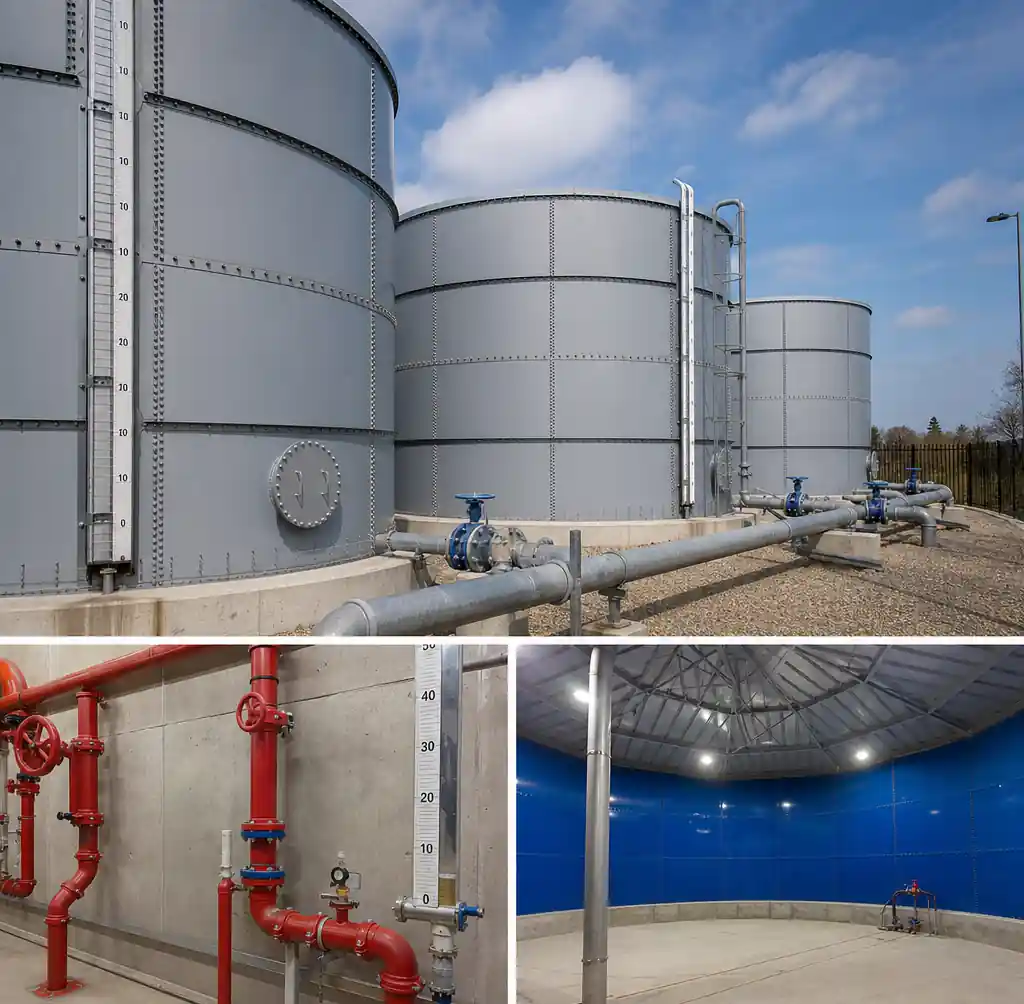
Tamaño de tanque superior a los mínimos del código: Los códigos de incendio exigen un suministro de 30-60 minutos a flujo de diseño. Para sitios con restauración de agua impredecible, la mejor práctica extiende esto a 90-120 minutos. Un sistema de presión intermedia que proteja 1.000 m² requiere una capacidad de depósito de 50-80 m³ durante 90 minutos, frente a 400-600 m³ para los rociadores tradicionales.
! 5-tanque-agua-protector-incendios Sistema de depósito de almacenamiento de agua de protección contra incendios para instalaciones industriales con suministro municipal limitado
Redundancia de la bomba y respaldo de energía: Las bombas primarias deben funcionar durante los cortes. Las bombas de respaldo accionadas por diésel son estándar donde las redes eléctricas no son fiables. Para instalaciones con generadores, las bombas eléctricas con transferencia automática ofrecen menos mantenimiento que las unidades diésel que requieren pruebas mensuales.
Material de la tuberías: El acero inoxidable o CPVC resiste la corrosión por la mala calidad del agua, común en regiones en desarrollo. El acero galvanizado experimenta una corrosión acelerada en humedad tropical y agua con alto contenido de cloruro. La vida útil del sistema aumenta de 15-20 años (galvanizado) a 40-50 años (acero inoxidable).
Seguridad contra incendios por sector industrial
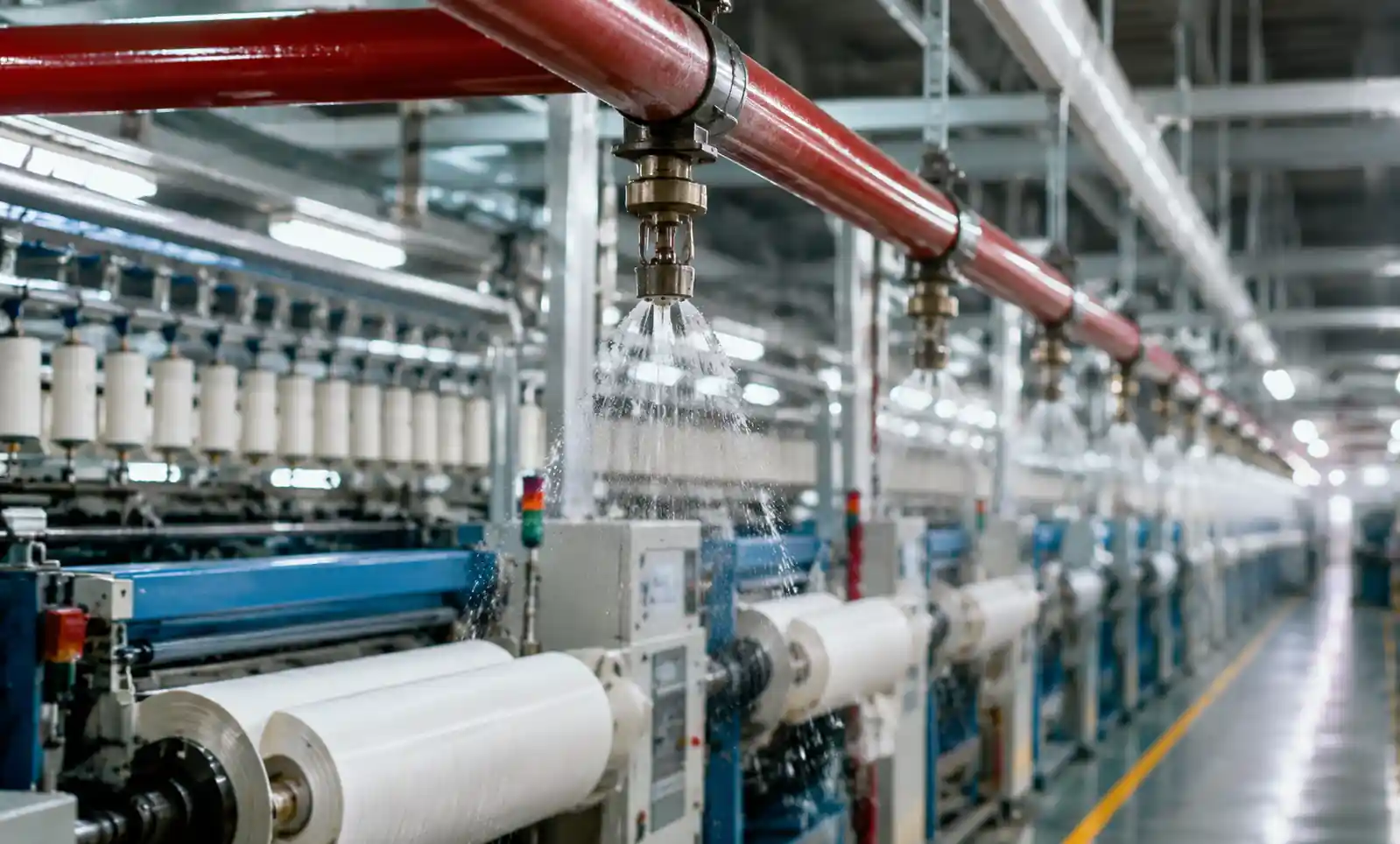
Textiles y prendas de vestir: Las instalaciones de Bangladés y el sudeste asiático han experimentado incidentes de alto perfil debido a pelusa combustible, salidas bloqueadas y supresión inadecuada. La niebla de agua con aviso temprano aborda la propagación del fuego en las zonas de almacenamiento y corte de telas. Boquillas finas de nebulización proporcionan tanto protección contra incendios como control de humedad—infraestructura de doble propósito que mejora la economía del proyecto.
Procesamiento de alimentos y bebidas: Los requisitos sanitarios entran en conflicto con la supresión tradicional. Las boquillas de niebla de agua de acero inoxidable de grado alimentario cumplen con el cumplimiento del código de incendios y la certificación HACCP. Los sistemas deben tolerar la exposición a sustancias químicas CIP durante la sanidad.
! 6-Fabricación-textil-Instalación-Seguridad-Incendios Instalación de sistemas de supresión de incendios en una instalación textil que muestra una aplicación sectorial específica
Química y farmacéutica: Las instalaciones que manejan líquidos inflamables necesitan una supresión que no introduzca contaminación. La niebla de agua proporciona supresión de clase A y B manteniendo la limpieza de grado farmacéutico. La instalación en áreas eléctricas clasificadas requiere certificación ATEX o IECEx.
Procesamiento de madera: El serrín genera riesgos de explosión. Los sistemas deben integrarse con la recogida de polvo y proteger las carcasas de los colectores, el punto de encendido más común. El espaciamiento entre las boquillas debe tener en cuenta los flujos de aire de ventilación que desvían los patrones de pulverización.
Análisis de Costes: Capital vs. Gastos operativos
El caso económico va más allá del precio del equipo y se extiende a la propiedad total a lo largo de toda la vida operativa.
| Factor de coste | Sistema de niebla de agua | Aspersor tradicional | Diferencial |
|---|---|---|---|
| Equipamiento inicial | $40-65/m² | $25-35/m² | Más alto por adelantado |
| Depósito de almacenamiento de agua | 50-80 m³ | 400-600 m³ | Reducción del 60-75% |
| Fundación y Civil | Minimal | Extenso | Reducción del 50-70% |
| Mano de obra de instalación | Tubería más pequeña | Tubería extensiva | Reducción del 20-30% |
| Total instalado | 55-80$/m² | $50-75/m² | Similar a un 15% más |
| Coste anual del agua | Minimal | Descarga de prueba | 500-2.000 dólares de ahorro |
| Prima de seguro | Reducción del 10-15% | Línea base | Pago de 3-5 años |
! 7-sistema-fuego-análisis-costes-documentación Análisis de costes y documentación de planificación financiera para la inversión en sistemas industriales de supresión de incendios
La ventaja crítica surge de la infraestructura reducida. Una instalación que requiere 600 m³ de almacenamiento para rociadores ocupa entre 100 y 150 m² de espacio valioso. La niebla de agua, que requiere entre 60 y 80 m³, consume un tercio de esa huella; el espacio recuperado que genera ingresos suele superar la diferencia de coste amortizado.
Los aseguradores reconocen la niebla de agua con descuentos del 10-20% en las primas frente a instalaciones sin protección, y del 5-10% frente a los aspersores. Para una instalación de 5 millones de dólares que paga una prima anual de 50.000 dólares, una reducción del 10% recupera 5.000 dólares anuales—devolución en un plazo de 5-7 años.
Preguntas frecuentes
¿Cómo funciona la niebla de agua al aire libre o en zonas semicerradas?
La efectividad disminuye con vientos superiores a 3-5 m/s, donde las gotas se dispersan antes de llegar a las zonas de incendio. Para jardines exteriores o almacenes abiertos, los enfoques híbridos que combinan niebla de agua perimetral con sistemas de espuma ofrecen una mejor cobertura.
¿Puede la niebla de agua proteger contra incendios eléctricos?
Sí, cuando esté debidamente certificado. Los sistemas cuentan con certificaciones de no conductividad eléctrica (probadas a 35 kV según IEC 60364-4-41) adecuadas para salas de transformadores y equipos de conmutación. Las gotas finas no crean caminos conductores. Sin embargo, los enclavamientos automáticos de apagado siguen siendo una práctica recomendada.
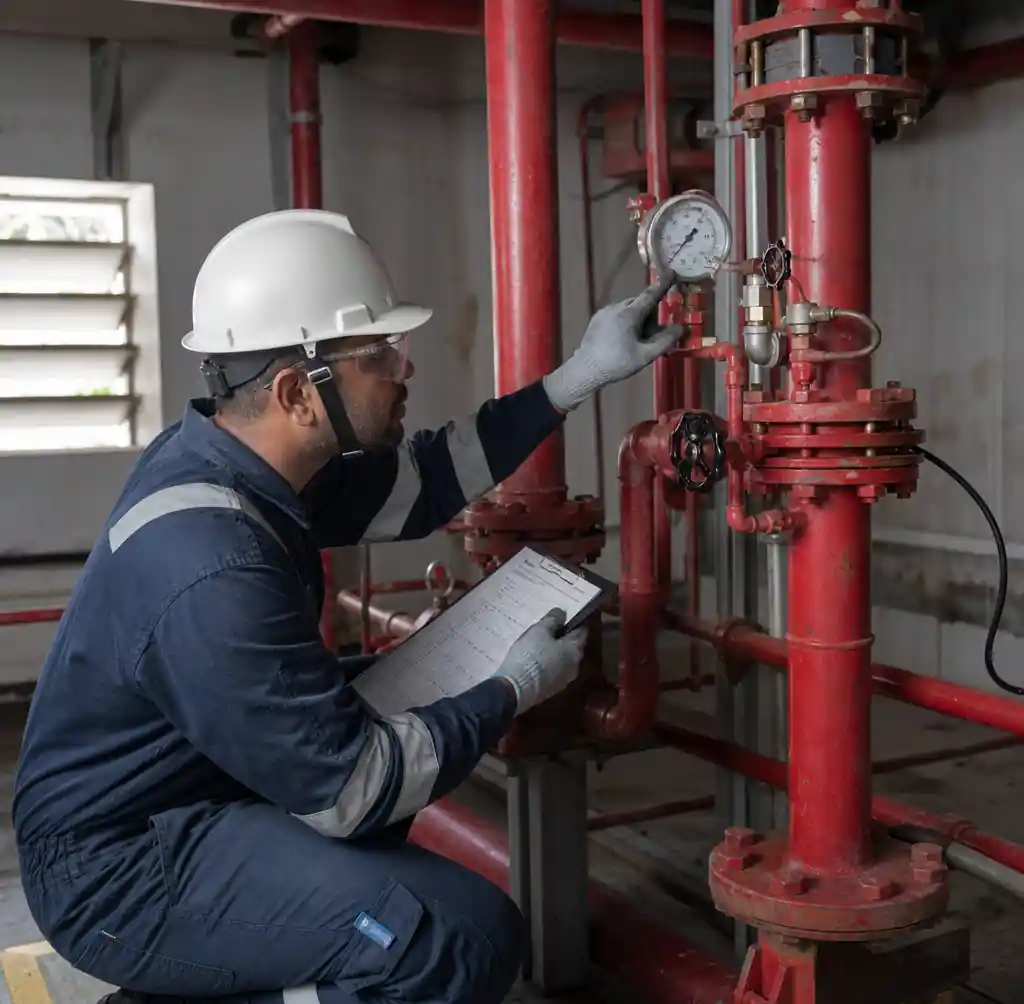
! 8-técnico-seguro-mantenimiento-inspección-incendio Técnico de mantenimiento inspeccionando y manteniéndose de componentes del sistema de supresión de incendios con niebla de agua
¿Qué mantenimiento requieren los sistemas de niebla de agua?
Los sistemas de presión intermedia requieren inspección trimestral de toberas, pruebas semestrales de bombeo y pruebas anuales de descarga completa. El mantenimiento es comparable al de los aspersores, pero requiere atención a los filtros para evitar obstrucciones por mala calidad del agua. Presupuestar 2-4 $/m² anuales para contratos preventivos.
¿Cómo gestionan los sistemas la mala calidad del agua?
La mala calidad municipal amenaza toda supresión mediante corrosión y obstrucciones. Las instalaciones de alta presión requieren filtración de entre 80 y 120 micras y tratamiento donde los sólidos disueltos totales superan los 300 ppm. Esto añade entre 8.000 y 15.000 dólares, pero extiende la vida útil de los componentes de 10-15 a 25-35 años.
¿Qué certificaciones deberían verificar las instalaciones?
Los sistemas requieren aprobación de las autoridades locales, suscriptores de seguros (FM Global, LPCB, VdS) y agencias especializadas. La niebla de agua debe llevar la aprobación NFPA 750 o EN 14972. Los contratistas deben tener certificaciones de fabricante. Verifica que el equipo tenga certificación específica de región, no solo marcado CE.
¿Puede la niebla de agua adaptar edificios existentes?
Las adaptaciones suelen ser más sencillas que la instalación de rociadores porque tuberías más pequeñas (25-50 mm frente a 80-150 mm) requieren menos modificaciones estructurales. Sin embargo, las instalaciones deben albergar salas de bombas y depósitos. Los proyectos suelen enfrentar menos retrasos en los permisos que las instalaciones tradicionales de rociadores.
Conclusión
La protección industrial contra incendios en países en desarrollo requiere ingeniería adaptada a las restricciones locales, no solo el cumplimiento de especificaciones. Los sistemas de niebla de agua reducen el consumo entre un 85 y un 95%, funcionan de forma fiable con suministro intermitente cuando están diseñados con almacenamiento adecuado, y cumplen con los estándares internacionales de seguros y normativas.
El caso económico va más allá del equipamiento y se limita al valor total: infraestructura reducida, espacio recuperado, primas más bajas y daños colaterales minimizados. Para instalaciones en África subsahariana, el sudeste asiático y regiones con escasez de agua, la niebla de agua representa una protección práctica que funciona de forma fiable bajo condiciones reales, no suposiciones teóricas.
YuechenPrecision Technology ofrece sistemas completos de boquillas para niebla de agua, equipos de nebulización fina y productos de pulverización industrial diseñados para aplicaciones exigentes. Nuestra experiencia en procesamiento de alimentos, fabricación química, producción textil y almacenamiento garantiza soluciones prácticas que equilibran la eficacia con las limitaciones de recursos.
Contáctanos hoy para ingeniería específica de seguridad contra incendios de aplicaciones, cálculos de dimensionamiento de sistemas y especificaciones de equipos adaptadas al entorno de tu instalación y a los requisitos regulatorios locales.